


Cardiac Rehab Program: Gentle, Guided Recovery for Senior Hearts
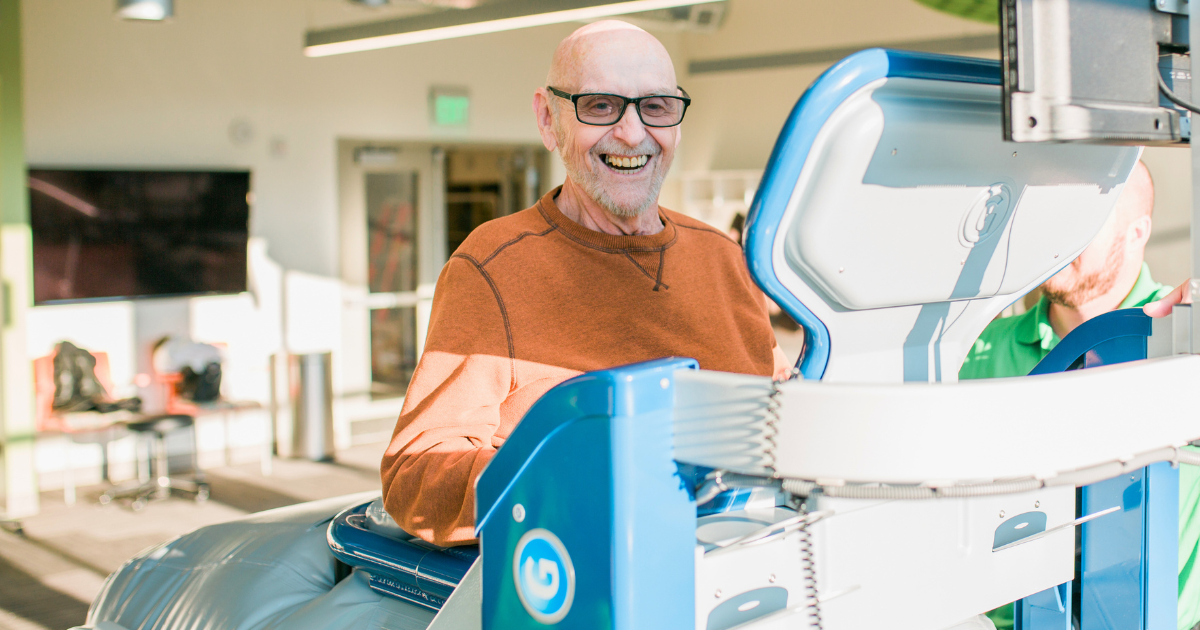
After a heart event, the world can feel smaller. Cardiac rehabilitation exists to change that feeling by gently helping older adults move from fear and fatigue toward strength and independence.
A cardiac rehab program is a medically supervised program designed to help people recover after a heart attack, heart failure flare, angioplasty, stent placement, coronary artery bypass surgery, or heart valve repair. It is a structured rehabilitation program that combines monitored exercise, heart disease education, stress management, nutrition counseling, and risk factor management for conditions like high blood pressure and high cholesterol.
The main goals of cardiac rehabilitation include improving exercise ability and mental health. Programs are tailored for seniors who may also live with diabetes, arthritis, chronic obstructive pulmonary disease, or mobility challenges, using gentle progressions and closer monitoring. Whether someone is managing chronic heart conditions or recovering from heart surgery, a doctor’s referral is required for cardiac rehabilitation to begin.
What Happens During a Cardiac Rehab Program?
Picture arriving at your first session: you check in, greet a familiar nurse, review how you slept and how you are feeling, and then ease into light movement alongside others who understand exactly what you are going through.
The initial assessment includes a medical history review, heart event timeline, current medications, vital signs, a walking test such as a six-minute walk, and goal setting with the care team.
Each exercise session typically includes a warm-up, aerobic activity on a treadmill or recumbent bike, light strength work, flexibility exercises, and a cool-down. Staff monitor heart rate, rhythm, and blood pressure throughout, adjusting exercises based on how the person feels that day. Emergency situations require quick response during monitored sessions, so trained staff and defibrillation equipment are always on hand.
The education portion covers understanding heart disease, managing blood pressure and cholesterol, medication timing, sleep, and when to call a healthcare provider. Emotional support is built in with healthcare professionals and peers reassuring patients who feel anxious after a cardiac event, helping them rebuild trust in their bodies.
Your Potential Cardiac Rehab Team
Seniors do not walk this journey alone. A whole team walks beside them, each person bringing a different kind of expertise:
- Cardiologist – oversees the rehab program and adjusts the medical plan
- Cardiac nurse – tracks new or worsening symptoms and vitals
- Exercise physiologists – design safe, progressive exercise routines
- Physical therapist – adapts movements around joint pain or balance issues
- Dietitian – helps with sodium, fluids, and heart-healthy living choices
- Social worker or chaplain – provides emotional health support and counseling
Family members and close friends are encouraged to learn alongside the patient so they can support healthy behaviors at home. In a senior living community like Menno Haven, this care team is reinforced by on-site wellness staff and activity coordinators who keep residents engaged through one-on-one check-ins and group activities.
Cardiac Rehab Exercises: How They Help Your Heart Heal
Cardiac rehab exercises are gentle, steady investments in your cardiovascular health that pay off over weeks and months.
Aerobic exercise is a primary focus in cardiac rehab programs because regular, moderate physical activity helps the heart pump more efficiently, improves circulation, and lowers blood pressure over time. Strength training usually starts a few weeks after aerobic exercise is established, using light hand weights or resistance bands to build muscle safely. Flexibility exercises help maintain mobility and reduce injury risk through stretches and chair yoga.
Exercise intensity is individualized: seniors aim for being “able to talk but a little short of breath” rather than pushing to exhaustion.
Supervised vs. Home-Based Cardiac Rehab
Seniors often wonder whether they need an in-person program at a hospital or whether they can exercise at home. Both paths have real value.
Supervised rehab occurs in a medical facility where medical staff monitor heart rate and blood pressure, guide safe exercise choices, and offer immediate support and reassurance. This is ideal after recent heart surgery or severe heart failure.
Home-based rehab allows independent exercise after medical guidance. It uses structured walking plans, simple equipment like pedal exercisers and resistance bands, and sometimes exercise videos or telehealth check-ins. Home-based rehab requires personal responsibility and symptom monitoring—tracking your oxygen level, watching for chest pain, and reporting worsening symptoms promptly.
A hybrid approach combines supervised and home-based rehab, and recent research shows that home-based cardiac rehabilitation programs can produce improvements comparable to center-based programs in stable heart failure patients. Ask your cardiologist which format fits your health conditions, goals, and confidence level best.
Strategies for Seniors to Regain Confidence After a Heart Event
It is completely normal to worry about “overdoing it” or having another event. Consider the following to ease your mind:
- Set small, realistic goals: Walking to the dining room, attending one exercise class per week, or doing five minutes of stretching each morning.
- Keep a simple journal: Track your daily life activities and any symptoms. Seeing progress over weeks builds confidence and gives your healthcare provider helpful information.
- Lean on community: Joining group exercise sessions, walking with neighbors, or attending heart health talks turns an exercise routine into something social and enjoyable.
- Seek emotional support: Counseling is provided to manage stress, anxiety, and depression in rehab programs, and professional support from a chaplain or peer group can ease low mood. Managing stress through breathing techniques and stress management practices is part of everyday life after a heart event.
How Communities Like Menno Haven Support Heart-Healthy Living
Recovery does not happen in a vacuum. The everyday life seniors experience at Menno Haven naturally reinforces the habits that cardiac rehabilitation builds.
On-site fitness centers and indoor walking spaces allow residents to continue cardiac rehab exercises regardless of weather. Menno Haven’s recreational and wellness programs often include balance classes, low-impact aerobics, and activities that align with cardiac rehabilitation goals—keeping your body moving in ways that feel natural and fun.
Staff help coordinate with outside healthcare providers and cardiologists, making it easier for residents to attend follow-up appointments and stay on their long-term plan. Social benefits matter too: shared meals, hobby groups, and intergenerational events reduce isolation and support heart health through connection and joy.
Working With Your Healthcare Provider on a Long-Term Heart Plan
Cardiac rehab is a powerful starting point, but long-term cardiovascular health depends on an ongoing partnership with a trusted healthcare provider. At your next appointment, discuss:
Target blood pressure and heart rate ranges
Safe activity levels and recommended number of exercise sessions per week
Any needed medication adjustments
Nutrition support—reducing sodium for heart failure, managing fluids, and balancing heart-healthy eating with personal preferences
Bring questions about fatigue, trouble sticking with your exercise routine, or any concerning changes. Staying engaged through regular checkups, phone calls, or telehealth helps prevent complications and keeps seniors independent longer.
Life After the Program: Maintaining Cardiac Rehab Benefits
Graduating from a cardiac rehab program is the beginning of a new season, not the end of heart care. The strength, confidence, and healthy habits you build during rehabilitation can continue improving your quality of life long after the program ends.
Having the right environment makes it easier to maintain those healthy routines. At Menno Haven, residents have access to wellness programs, fitness opportunities, supportive staff, and a welcoming community that encourages active, heart-healthy living every day. Whether you’re recovering from a recent cardiac event or looking for a community that supports your long-term wellness goals, Menno Haven is here to help you continue moving forward with confidence.